Blue sapphire
Sri Lanka's most famous gem. Cornflower and royal blues are the classics, and large clean stones are rare.
Gem Market by Mingo Labs
For more than two thousand years, travellers have come to this island for its stones. Learn how to choose well, meet trusted dealers and buy with confidence.
Sri Lanka has been known as Ratna Dweepa, the island of gems, for centuries. Gem-bearing gravel lies in river valleys across the island, and the city of Ratnapura means “city of gems”.
The island produces many kinds of stones, from the famous blue sapphire to cat's eye, spinel and moonstone. Many are still mined by hand in pits, washed in baskets and cut by local craftspeople. That heritage is why buyers from around the world come here.
A short guide to the most loved stones of Sri Lanka.
Sri Lanka's most famous gem. Cornflower and royal blues are the classics, and large clean stones are rare.
A delicate pink-orange sapphire named after the lotus blossom. Fine stones are among the most prized in the world.
Red corundum. Sri Lankan rubies tend to be lighter, pinkish reds with a bright glow.
A chrysoberyl that shows a thin bright line, like the eye of a cat, when cut as a cabochon.
A chrysoberyl that looks green in daylight and reddish under warm light. Real stones are uncommon.
Brilliant and often unheated, in pinks, reds and blues. A favourite of collectors.
A soft glowing stone with a blue sheen that seems to float. Sri Lanka produces some of the finest.
Warm hessonite garnets, golden topaz and many more colourful stones for jewellery at friendlier prices.
Every gem is judged on these four things. Learn them and you can compare stones with confidence.
The biggest factor in price. Look for a pure, lively colour that is neither too dark nor too pale.
Tiny inclusions are normal in natural gems. Prefer stones that look clean to the eye without a magnifier.
A good cut makes the stone sparkle evenly. Dark or dull patches in the middle mean a weak cut.
Carat is weight, not size. Larger clean stones are much rarer, so the price per carat usually climbs with size.
Ask this first. The answer changes the price more than almost anything else.
Formed in the earth and sold as found, apart from cutting and polishing. These are the rarest and cost the most.
Natural stones improved by a treatment, most often heating. Common and accepted when the dealer tells you and the report says so.
Synthetic stones are made in a lab with the same chemistry. Imitations are glass or other materials. Both are fine if you know what you are buying, and priced far lower.
Six steps, from first idea to the day you take the stone home.
A ring, an investment or a gift? Your answer shapes the gem type, the size and the price you should look at.
Know the four Cs, and the difference between natural, heated and synthetic stones, before you walk into a shop.
Ratnapura, Colombo and Beruwala are well-known gem centres. Choose a shop that shows a valid licence.
For valuable stones, ask for a report from a recognised laboratory, such as GIA or SSEF, and check that it matches the stone.
View the stone in daylight and under plain white light. Compare at least two or three offers before you decide.
Ask for a written invoice that lists weight, treatment and origin. If you plan to take the stone abroad, ask the dealer about export paperwork.
A good dealer is open, patient and happy to put everything in writing.
Ask for the dealer's licence from the National Gem and Jewellery Authority (NGJA), and check that it is valid.
Weight, size, colour, origin, treatment and price, all on paper or in a message you can keep.
Be wary of anyone who approaches you on the street with a special deal. Buy from a proper shop.
Ask what happens if a lab report shows something different, and get the answer in writing.
Hello, I am interested in the gem you listed. Could you please tell me:
1. Your NGJA licence number?
2. The weight, size and colour of the stone?
3. Is it natural, heated or otherwise treated?
4. Where does it come from?
5. Is there a lab report, and from which laboratory?
6. The price in LKR and your return policy?
Thank you.
Add licence number and speciality after you verify them.
Ask on WhatsAppAdd licence number and speciality after you verify them.
Ask on WhatsAppAdd licence number and speciality after you verify them.
Ask on WhatsAppAlways check a dealer's licence and any lab report yourself before you pay. Mingo Labs gives general guidance only and cannot guarantee any stone or seller.
Choose a stone, add it to your cart and send your purchase request on WhatsApp. We confirm availability and the final price with you, then share bank details for an online transfer.
 Sample
Bright cornflower blue, oval cut, eye-clean.
 Sample
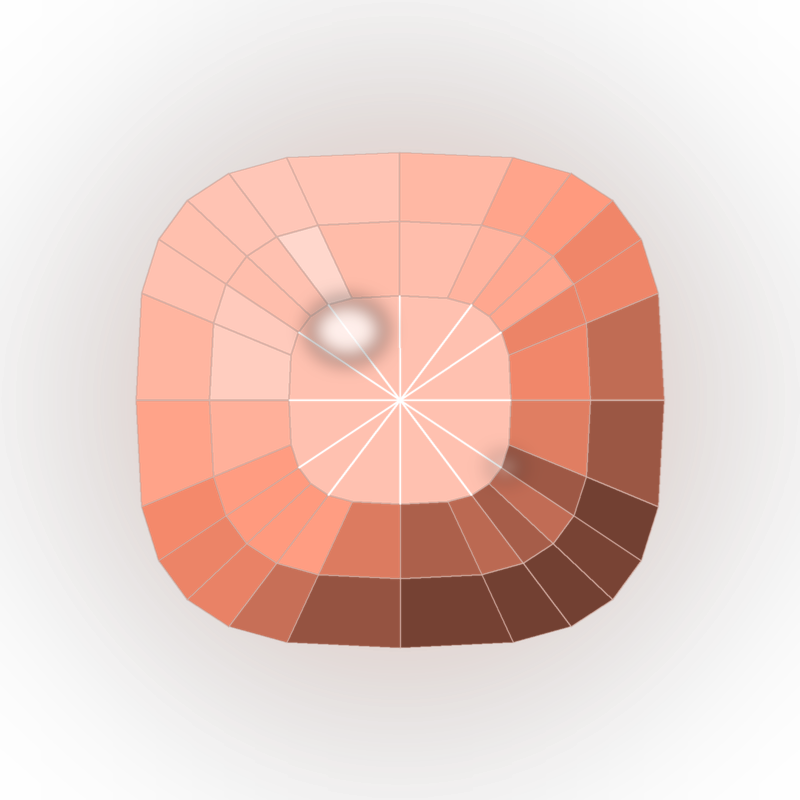
Rare pink-orange glow, cushion cut.
 Sample
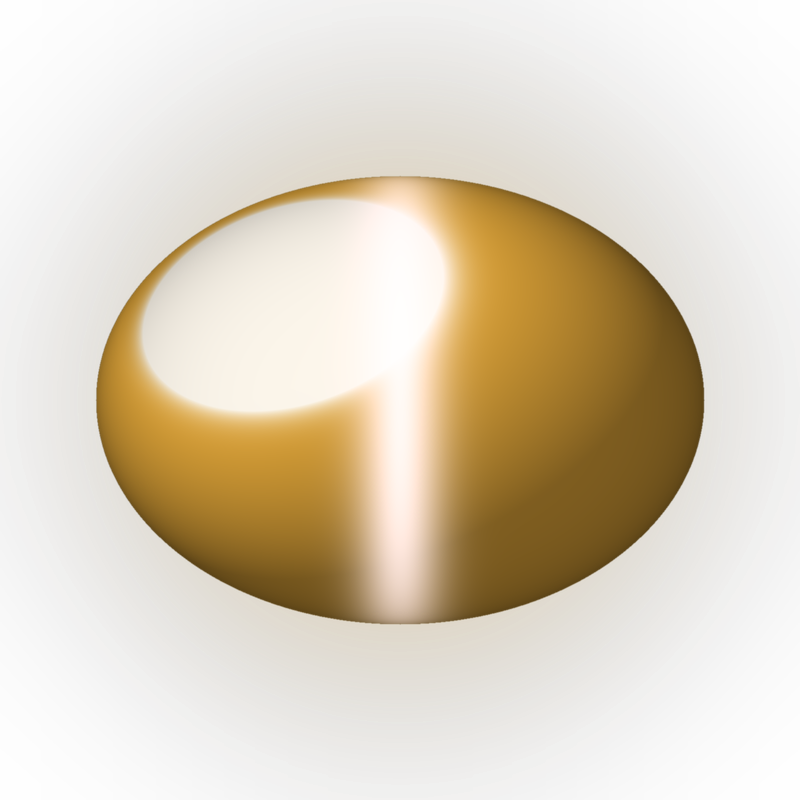
Sharp, centred eye on a honey body.
 Sample
Six-ray star, smooth cabochon.
 Sample
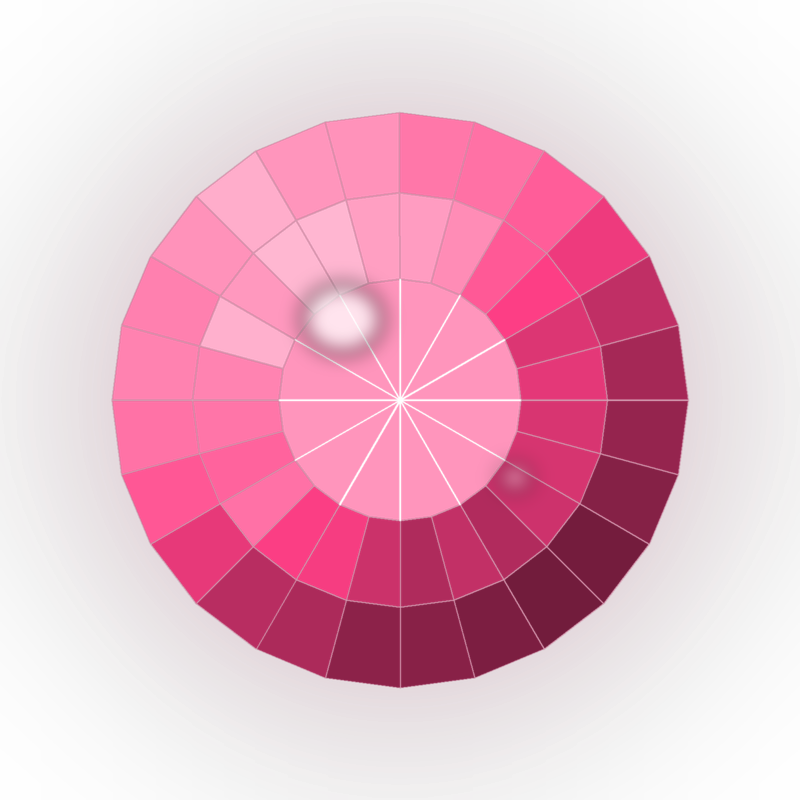
Lively pink, excellent brilliance.
 Sample
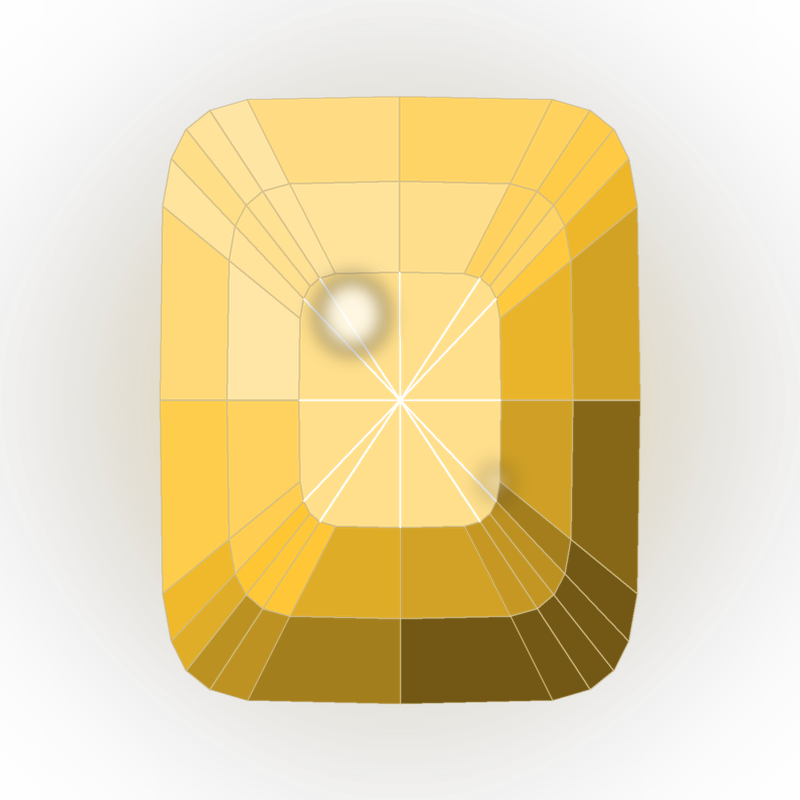
Clean golden yellow, emerald cut.
 Sample
Soft blue glow that moves with the light.
 Sample
Warm cinnamon orange, oval cut.
The listings above are samples while we prepare the full catalogue. This page will grow with secure online payments, customer accounts and live stock.
It can be, if you buy from a licensed dealer, get a lab report that matches the stone, and have everything in writing. Ask questions and take your time. A trustworthy seller is happy to answer.
Heating is a common treatment that improves the colour and clarity of many sapphires and rubies. It is accepted in the trade when it is disclosed. Heated stones usually cost less than comparable unheated ones.
Add gems to your cart and press the WhatsApp button. We open WhatsApp with your request written out and save a PDF copy for you. We then confirm availability, the final price and payment details with you.
Yes. Choose online bank transfer in the cart, and we send our bank account details to you on WhatsApp. We never ask you to pay before you have confirmed the stone with us.
Tell us the type, size and budget. We ask our dealer network and come back with options.